
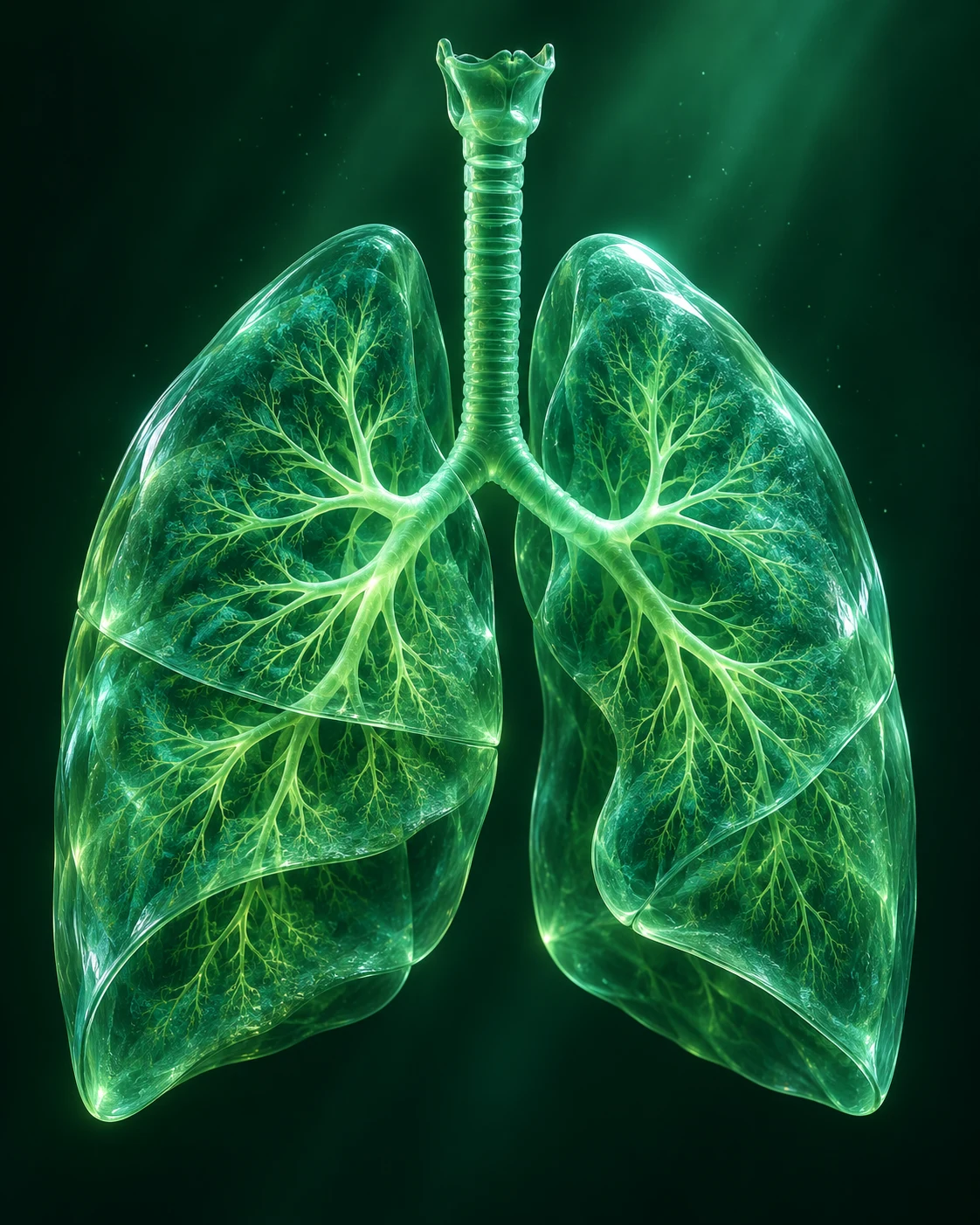
A clearer picture
of respiratory allergy.
Allergic rhinitis involves an allergic reaction that irritates the nose. Airway and nasal concerns can affect everyday comfort.
This guide provides general information. It cannot diagnose symptoms or determine which treatment is right for you.
What to discuss.
Sneezing, a blocked or runny nose, itching or watery eyes can occur with allergic rhinitis. Symptoms should be assessed in context.
Note when symptoms happen, how they affect daily activities and any changes you have noticed. Your observations can help the consultation.
Bring the
useful details.
- Previous prescriptions and a current medicine list
- Relevant scans, reports and breathing-test results
- Inhalers or devices you use, where applicable
- A brief symptom history and your questions
Ask what
matters to you.
- Could a trigger be contributing to my symptoms?
- What should I record about symptoms and exposures?
- How should I use the treatment prescribed to me?
Severe symptoms should not wait.
For severe breathing difficulty, chest pain, blue lips or confusion, seek emergency care. Do not wait for an email enquiry.
Read urgent-care guidance ↗INFORMATION & SOURCES
General educational information. No individual treatment recommendation or clinical-review endorsement is implied.
Read more from NHS ↗Clinical areas listed on Dr. Bera’s official website ↗